Dialogue with an Event
In this section, I share my visual reflections on cultural events that I found personally meaningful. Rather than documenting the events themselves, I respond to the ideas, questions, and impressions they sparked in my artistic practice. Each painting is a record of that dialogue.
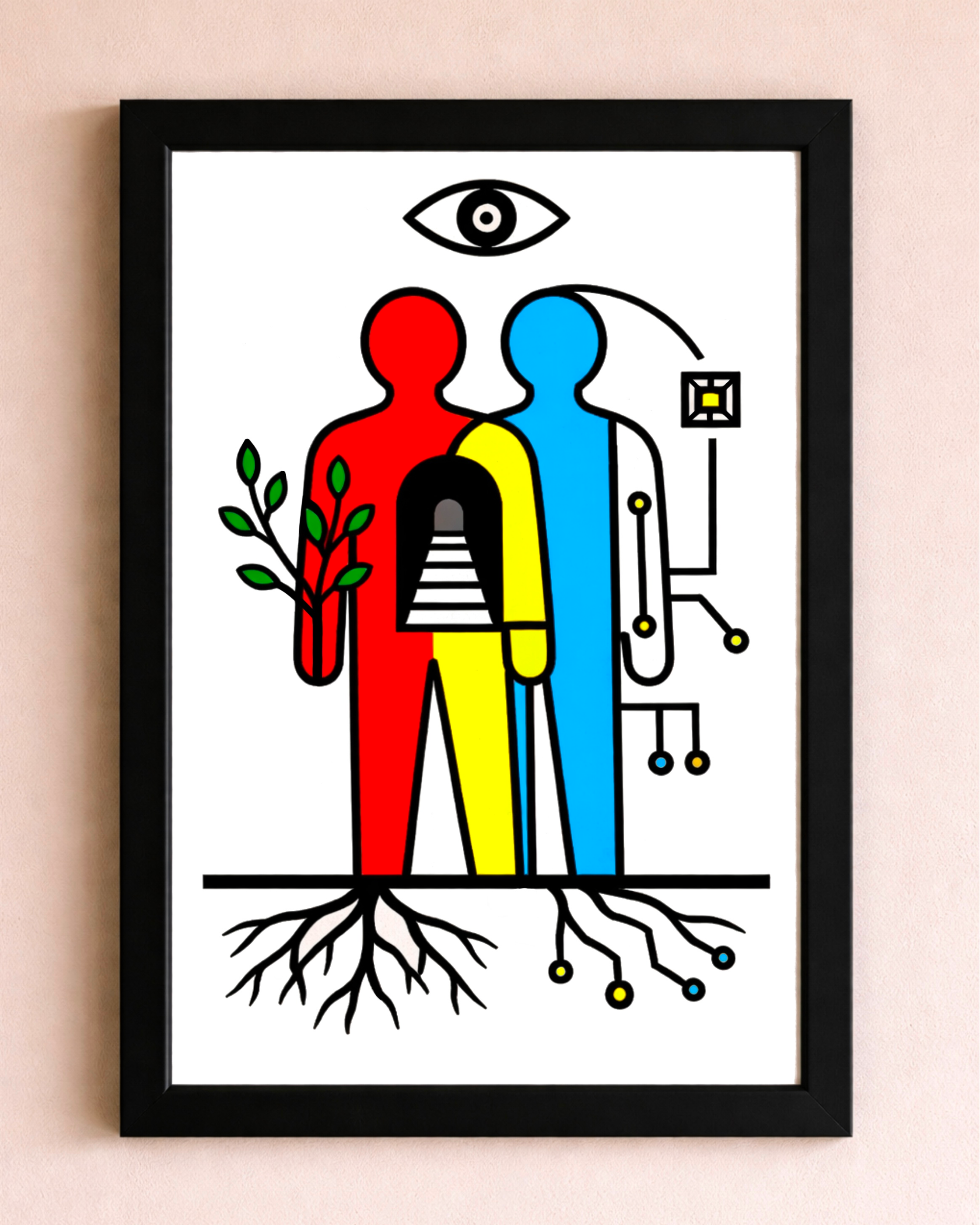
Title: New Humans
Direction: Visual Thinking / Cultural Encounters
Medium: Acrylic on canvas
Dimensions: 42 × 29.7 cm | 16.5 × 11.7 in
Format: Vertical
Framing: Framed
Year: 2026
About Artwork:
This painting was created in response to New Humans: Memories of the Future, the reopening exhibition of the New Museum, New York, presented after the museum’s expansion in Spring 2026. Rather than documenting the exhibition itself, the work reflects on the question it placed at its centre: how technology is reshaping our understanding of what it means to be human.
For me, the significance of this event lay not in the opening of a new museum space, but in the choice of its theme. Contemporary art is increasingly asking not what technology can do, but who the human becomes alongside it. The exhibition brought together questions of identity, memory, vulnerability, embodiment, and the growing dialogue between lived experience and digital reality.
This painting preserves that moment of reflection. Long after the exhibition itself becomes part of history, it remains a personal visual record of a cultural shift — one that continues to redefine the image of the human in the twenty-first century.
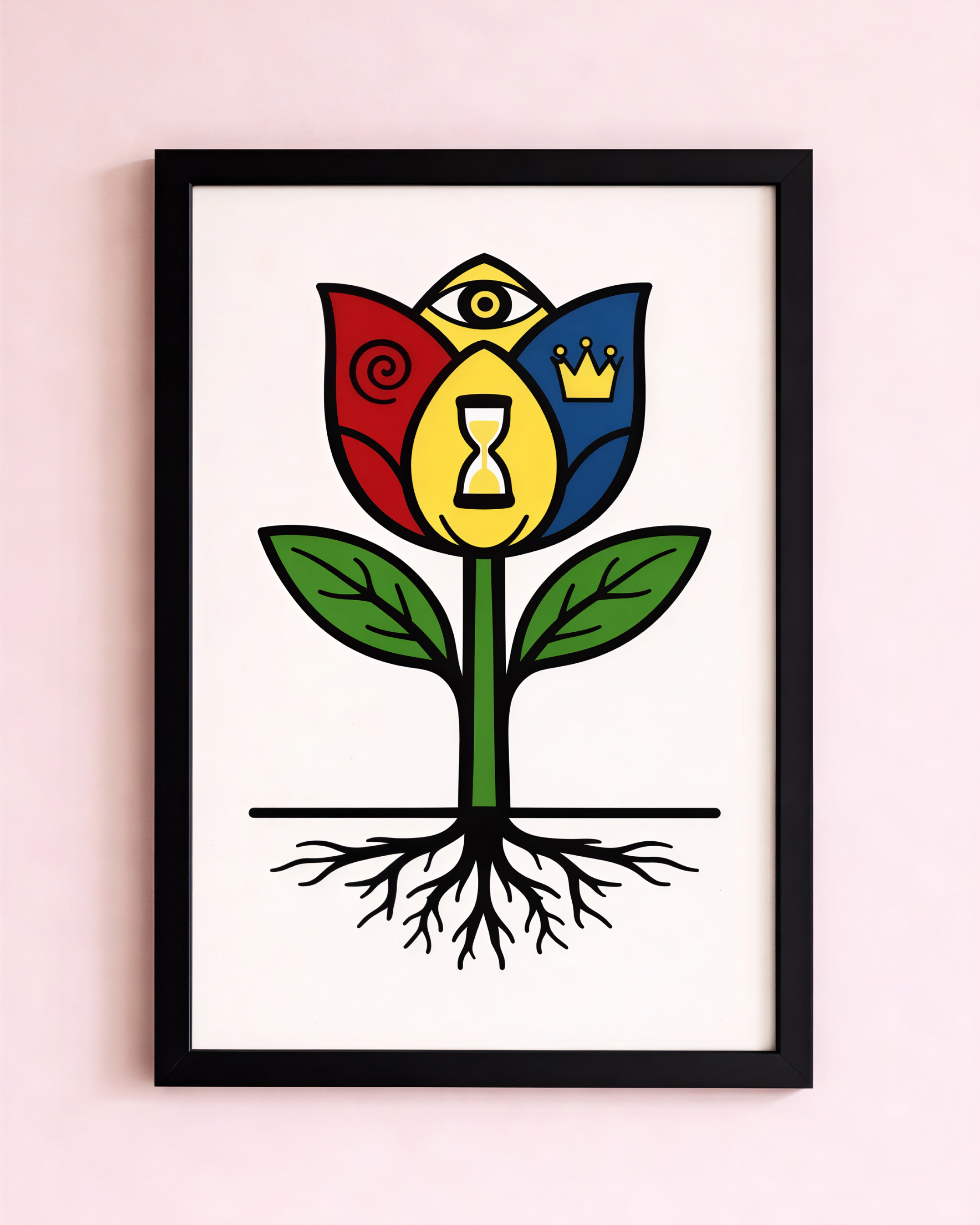
Title: Flowers Forever
Direction: Visual Thinking / Cultural Encounters
Medium: Acrylic on canvas
Dimensions: 42 × 29.7 cm | 16.5 × 11.7 in
Format: Vertical
Framing: Framed
Year: 2026
About Artwork:
This painting was created in response to Flowers Forever, an exhibition presented at Kunsthal Rotterdam in the summer of 2026. Rather than documenting the exhibition itself, the work reflects on one of its central ideas: the flower not as decoration, but as a cultural language that has carried meaning across centuries.
For me, the significance of this exhibition lay in the way it revealed the flower as more than a botanical form. Through mythology, religion, ritual, design, trade, ecology, and art, flowers have long expressed ideas of beauty, power, memory, fragility, and the cycle of life. They have become one of humanity’s most enduring visual symbols.
This perspective resonates deeply with my own artistic practice. In my work, flowers are never decorative motifs. They become carriers of emotional states, memory, time, and the invisible architecture of human experience.
This painting preserves that moment of recognition. Long after the exhibition itself becomes part of history, it remains a personal visual reflection on the enduring power of symbols — and on the flower as one of the oldest visual languages through which humanity continues to understand itself.
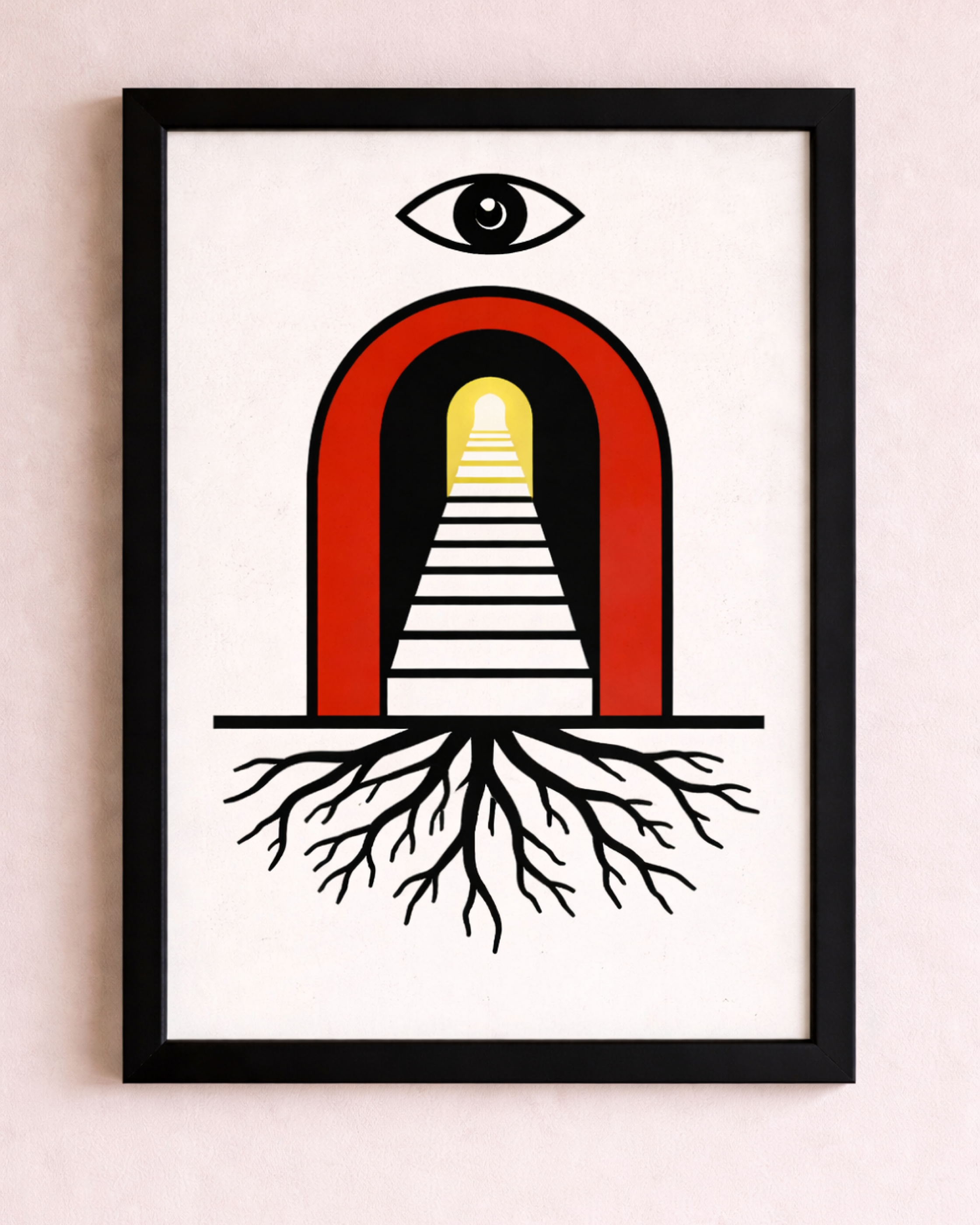
Title: Museums Rebuild Themselves
Direction: Visual Thinking / Cultural Encounters
Medium: Acrylic on canvas
Dimensions: 42 × 29.7 cm | 16.5 × 11.7 in
Format: Vertical
Framing: Framed
Year: 2026
About Artwork:
This painting was created in response to a series of institutional transformations that reshaped the museum landscape in 2026: the National Gallery’s Project Domani in London, the Centre Pompidou’s reconstruction and Constellation programme in Paris, and the curatorial direction of the Whitney Biennial 2026 in New York. Rather than documenting these events themselves, the work reflects on a question they all seemed to share: how can an institution change without losing its identity?
What fascinated me was not simply the architectural or curatorial renewal, but the deeper idea behind it. These museums demonstrated that memory is not preserved by remaining unchanged. It survives through adaptation, expansion, and the courage to rethink established forms while remaining faithful to their core purpose.
This idea resonated strongly with my own artistic practice. The image of the rooted gateway became a metaphor for continuity through transformation — a passage where memory and renewal exist together rather than in opposition.
This painting preserves that reflection. Long after these institutional changes become part of museum history, it remains a personal visual response to the belief that identity is sustained not by resisting change, but by growing through it.
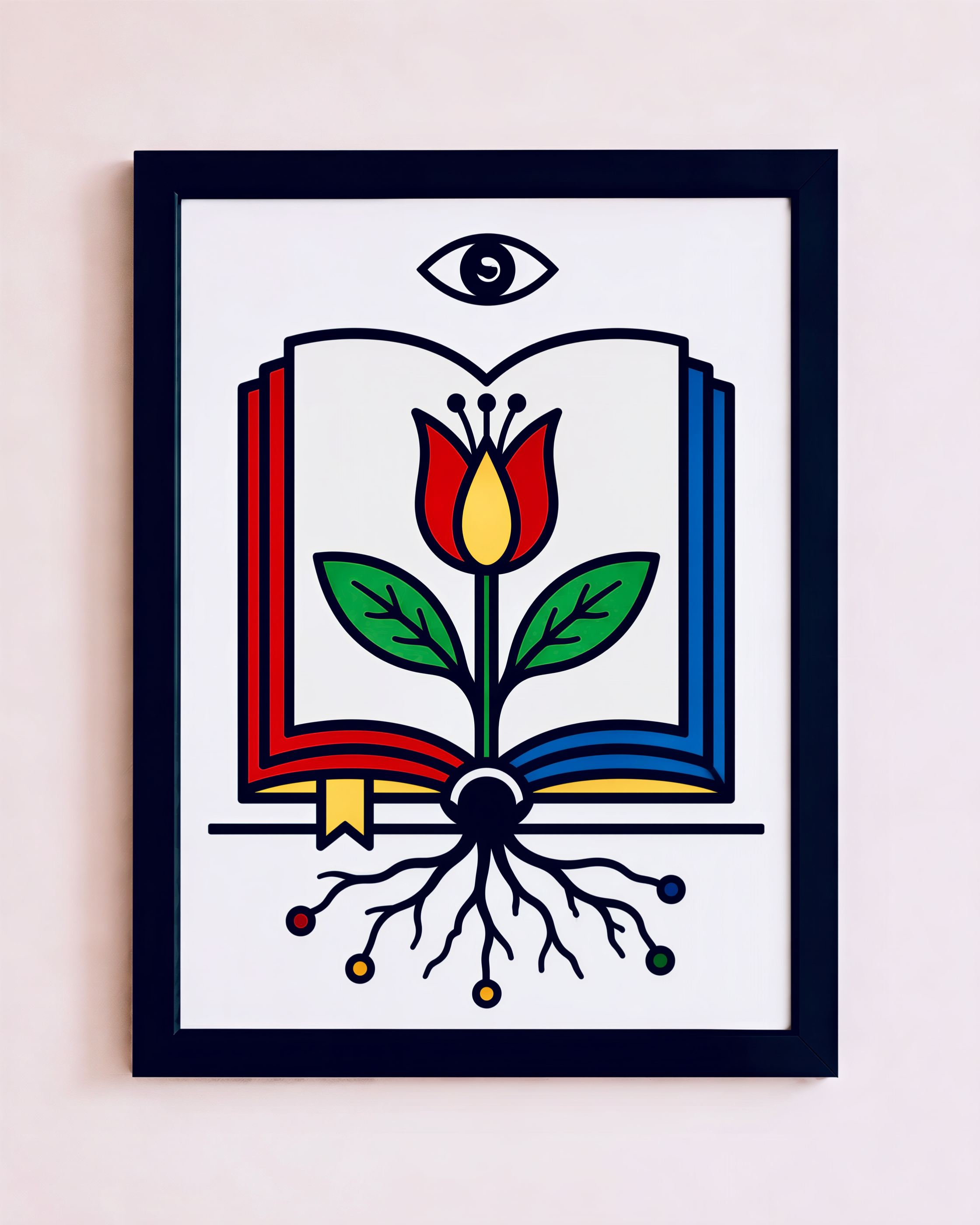
Title: In Bloom
Direction: Visual Thinking / Cultural Encounters
Medium: Acrylic on canvas
Dimensions: 42 × 29.7 cm | 16.5 × 11.7 in
Format: Vertical
Framing: Framed
Year: 2026
About Artwork:
This painting was created in response to In Bloom: How Plants Changed Our World, an exhibition presented by the Ashmolean Museum, Oxford, in the spring and summer of 2026. Rather than documenting the exhibition itself, the work reflects on a question it brought into focus: how have plants shaped not only our environment, but also the way we understand culture, memory, and ourselves?
What resonated with me was the exhibition’s invitation to see botanical forms beyond their natural beauty. Plants emerged as witnesses to exploration, science, collecting, trade, mythology, and artistic imagination. They became cultural archives rather than decorative subjects.
This perspective closely echoes my own artistic practice. In my work, flowers are never illustrations of nature. They become carriers of memory, emotional states, relationships, and the invisible structures of human experience.
This painting preserves that reflection. Long after the exhibition itself becomes part of history, it remains a personal visual response to the enduring idea that a flower is not simply something we look at — it is a language through which cultures remember, and through which we continue to understand what it means to be human.
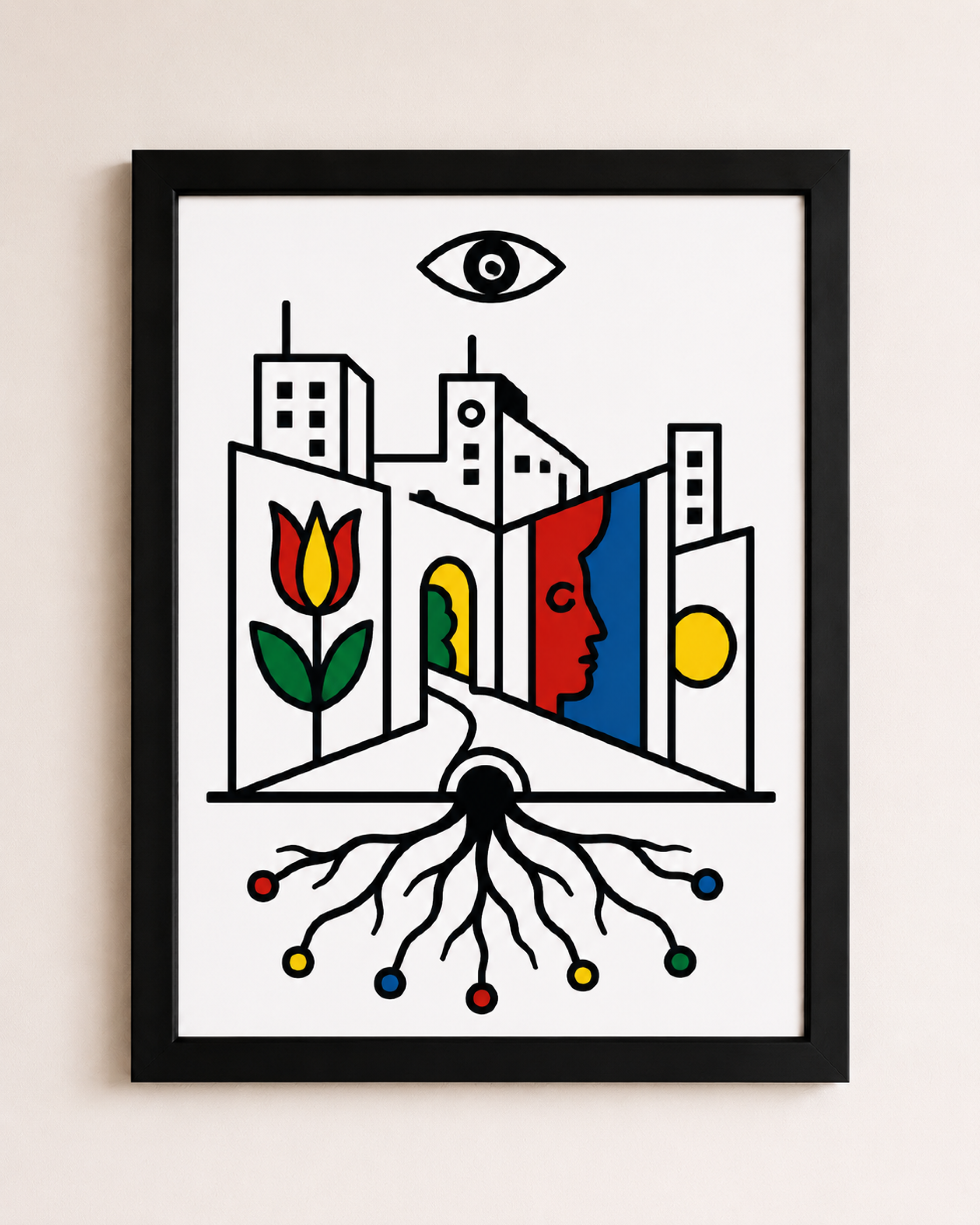
Title: The City as Gallery
Direction: Visual Thinking / Cultural Encounters
Medium: Acrylic on canvas
Dimensions: 42 × 29.7 cm | 16.5 × 11.7 in
Format: Vertical
Framing: Framed
Year: 2026
About Artwork:
This painting was created in response to Darwin Street Art Festival 2026, held in Darwin, Australia, in the late spring of 2026. Rather than documenting the festival itself, the work reflects on an idea that resonated with me throughout the event: how a city can become an active participant in artistic experience.
What interested me was not simply the murals or the festival programme, but the way art transformed the perception of place. Streets, laneways, and buildings became more than a setting for artworks — they formed a living exhibition where movement through the city became part of the act of seeing.
This perspective feels closely connected to my own artistic thinking. I have always been interested in the relationship between artwork and place, and in the idea that meaning grows stronger when it emerges through dialogue with its surroundings. A place is never just a background; it shapes how a work is experienced and understood.
This painting preserves that reflection. Long after the festival itself becomes part of history, it remains a personal visual response to the belief that art is capable of transforming not only walls, but the way we inhabit, remember, and relate to the places around us.
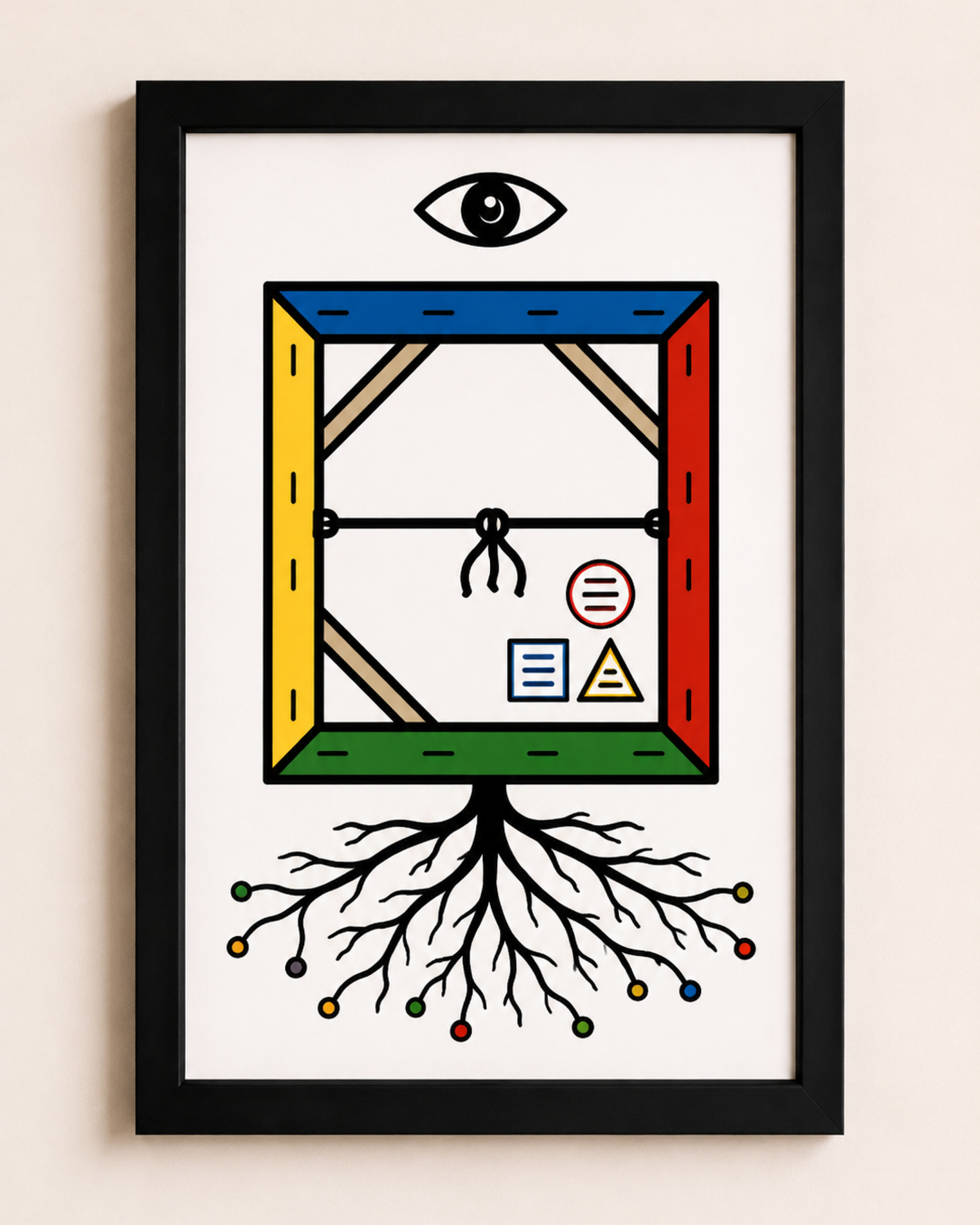
Title: The Reverse Side of Memory
Direction: Visual Thinking / Cultural Encounters
Medium: Acrylic on canvas
Dimensions: 42 × 29.7 cm | 16.5 × 11.7 in
Format: Vertical
Framing: Framed
Year: 2026
About Artwork:
This painting was created in response to the opening of a permanent gallery at the Musee d’Orsay in Paris, dedicated to artworks looted from Jewish collectors during the Second World War. The exhibition presented works from the MNR collection whose histories remain incomplete, inviting visitors to look not only at the paintings themselves, but also at the traces of displacement, loss, and unresolved ownership they carry.
What stayed with me was a profound shift in perspective. A painting was no longer presented solely as an image to be viewed, but as an object with a biography — its reverse side revealing archival labels, transport marks, and fragments of a history shaped by violence and absence.
This idea resonates deeply with my own artistic thinking. Every artwork carries more than its visible surface. Behind every image lies another layer: memory, context, silence, and the paths that brought it into the present.
This painting preserves that reflection. Long after this museum project becomes part of history, it remains a personal visual response to the belief that the true meaning of an artwork is found not only in what it shows, but also in the memory it continues to carry.
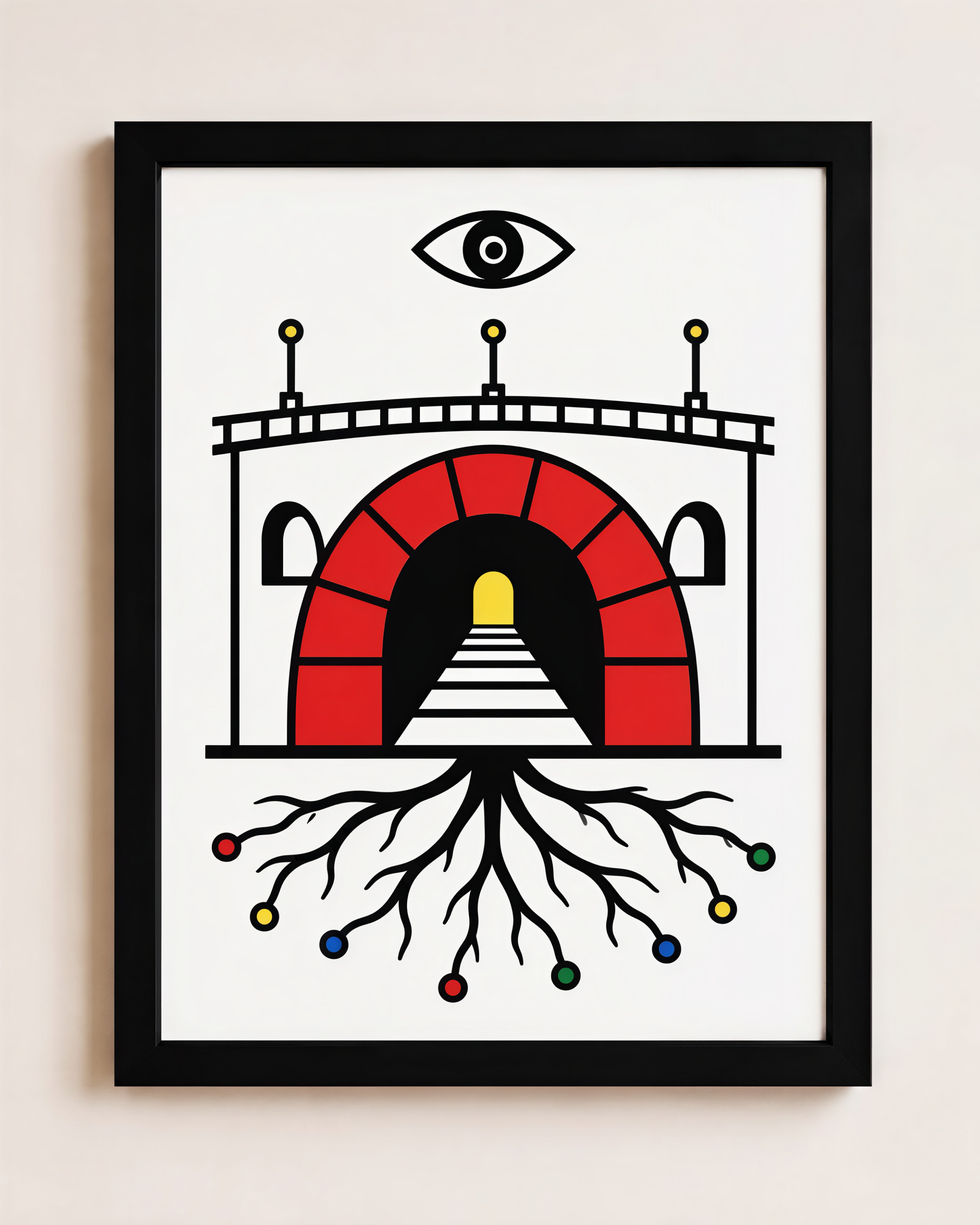
Title: The Bridge as a Cave
Direction: Visual Thinking / Cultural Encounters
Medium: Acrylic on canvas
Dimensions: 42 × 29.7 cm | 16.5 × 11.7 in
Format: Vertical
Framing: Framed
Year: 2026
About Artwork:
This painting was created in response to La Caverne du Pont Neuf, JR’s temporary public installation in Paris, presented in the summer of 2026. Transforming the city’s oldest bridge into an immersive cave inspired by Plato’s allegory, the project invited visitors to experience art not only through sight, but through movement, sound, space, and perception itself.
What resonated with me was the way the installation dissolved the boundary between artwork and viewer. Rather than presenting an object to observe, it created a situation in which perception itself became the subject. The experience was no longer about looking at an image, but about becoming aware of how we construct what we see.
This idea feels deeply connected to my own artistic practice. I am interested in artworks that do more than represent the world — they invite us to question the ways we interpret it. Images become spaces for reflection, where perception, memory, and imagination meet.
This painting preserves that reflection. Long after the installation itself becomes part of history, it remains a personal visual response to the belief that art is at its most powerful when it transforms not only what we see, but how we see it.
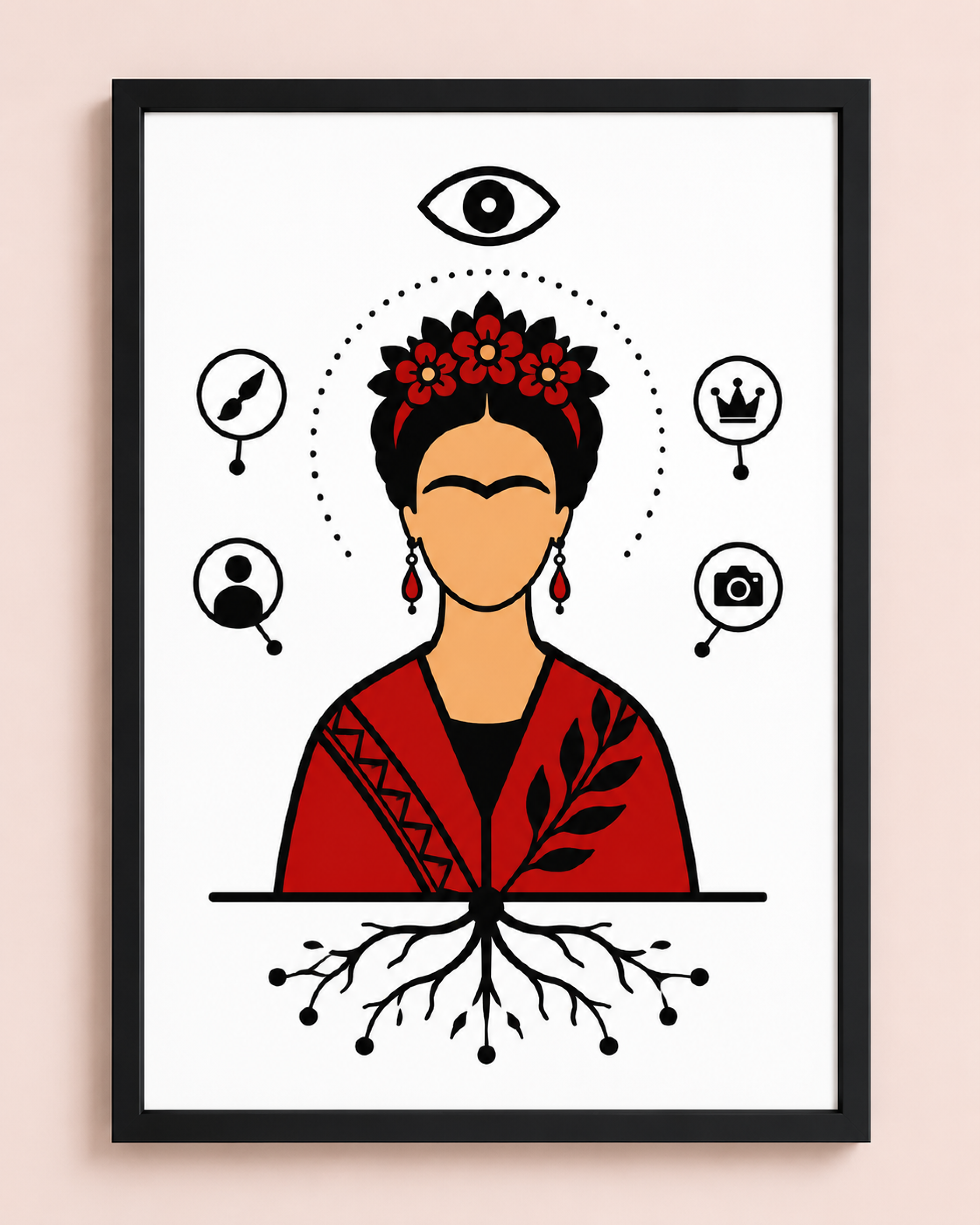
Title: The Cultural Symbol
Direction: Visual Thinking / Cultural Encounters
Medium: Acrylic on canvas
Dimensions: 42 × 29.7 cm | 16.5 × 11.7 in
Format: Vertical
Framing: Framed
Year: 2026
About Artwork:
This painting was created in response to Frida: The Making of an Icon, an exhibition presented at Tate Modern in 2026. Rather than focusing solely on Frida Kahlo’s artworks, the exhibition explored a larger question: how an artist gradually becomes a cultural symbol whose meaning continues to evolve long after their lifetime.
What resonated with me was the exhibition’s shift from biography to legacy. Through paintings, photographs, personal objects, archival materials, and works by artists inspired by Kahlo, it revealed how an artistic identity extends far beyond the studio. A symbol begins to live its own life, shaped by history, culture, and countless new interpretations.
This question feels especially close to my own artistic practice. I am interested not only in creating images, but in understanding how visual language acquires meaning over time. Symbols are never static. Once they enter the world, they continue to grow through the people, places, and ideas that encounter them.
This painting preserves that reflection. Long after the exhibition itself becomes part of history, it remains a personal visual response to the belief that an artist’s legacy is shaped not only by the works they create, but by the meanings those works continue to generate across generations.
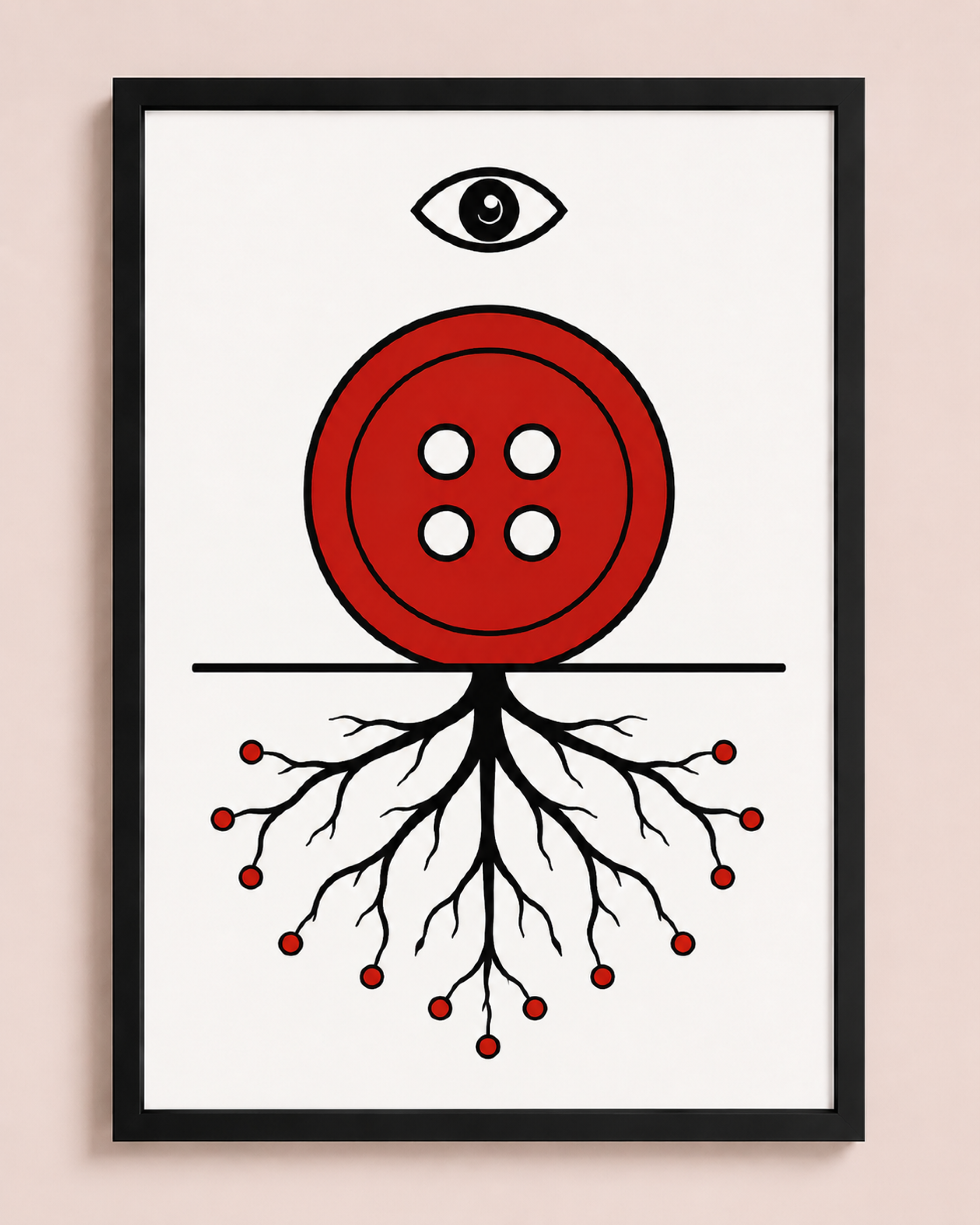
Title: The Nature of Symbol
Direction: Visual Thinking / Cultural Encounters
Medium: Acrylic on canvas
Dimensions: 42 × 29.7 cm | 16.5 × 11.7 in
Format: Vertical
Framing: Framed
Year: 2026
About Artwork:
This painting was created in response to VV, inspired by Ai Weiwei’s major exhibition Button Up!, presented in Manchester in the summer of 2026. Created for a city shaped by the Industrial Revolution and the history of textile production, the exhibition centred on the image of a single button. Rather than presenting the object through its practical function, it invited viewers to consider how an ordinary fragment can acquire an entirely new life as a cultural symbol.
What resonated with me was not the button itself, but the transformation it represents. Once separated from its original purpose, an object no longer belongs only to everyday life. It enters the realm of meaning, where its significance is shaped not by function but by interpretation.
This question closely relates to my own artistic practice. In my work, forms are not illustrations of reality but symbolic structures that continue to evolve beyond their original context. Transformation, rather than destruction, is what allows meaning to endure. A fragment does not necessarily represent loss; it can become the beginning of another narrative.
This painting preserves that reflection. Long after the exhibition itself becomes part of history, it remains a personal visual response to the idea that symbols often begin their lives at the moment they are released from the roles they were once created to fulfil.